
When organizations discuss merger and acquisition integration, the conversation typically centers on systems, security, applications, infrastructure, and synergy targets. Technology workstreams receive significant executive attention because they are visible, measurable, and critical to business continuity.
Yet when integrations struggle, technology is rarely the root cause.
In our experience, the most significant integration challenges stem from organizational readiness for change. Organizations may migrate systems, consolidate tenants, standardize security controls, and integrate infrastructure successfully. Yet they still struggle to achieve expected business outcomes because the people side of integration was underestimated.
|
Technology integration is a project. Organizational integration is a transformation. |
Organizations that consistently realize value from acquisitions understand the difference.
The Missing Assessment in M&A Due Diligence
Before an acquisition closes, organizations conduct extensive due diligence. They evaluate:
- Financial performance
- Legal exposure
- Security risks
- Technology environments
- Operational processes
- Regulatory concerns
What is often missing is a structured organizational change readiness assessment.
The following questions rarely receive the same level of attention:
- How much change is the organization realistically prepared to absorb?
- Are leaders aligned on the integration vision?
- Is the workforce already experiencing change fatigue?
- How well do team members understand why the acquisition occurred?
- Does the organization have the capacity to support adoption and training?
- Are communication channels effective and trusted?
- Delayed synergy realization
- Increased support demand
- Lower productivity
- User frustration
- Reduced adoption of tools and processes
- Leadership credibility challenges
- Extended integration timelines
- Increased turnover risk
These questions rarely receive the same executive attention as Microsoft 365 migration plans, application rationalization efforts, or security workstreams. Yet they frequently determine whether post-merger integration objectives are achieved on schedule.
Even a technically sound M&A integration plan may falter when the organization is not prepared to embrace the changes it introduces.
What Is Organizational Change Readiness in M&A?
Organizational change readiness is an organization’s ability to absorb, adopt, and sustain the changes resulting from an acquisition. It extends beyond technology to include leadership alignment, organizational capacity, communication effectiveness, cultural adaptability, and adoption and enablement.
Together, these dimensions reveal whether the organization is prepared for the pace and scale of integration. Assessing them early helps leaders identify risks, set realistic timelines, plan the right level of communication and support, and align the integration strategy with the organization’s capacity for change.
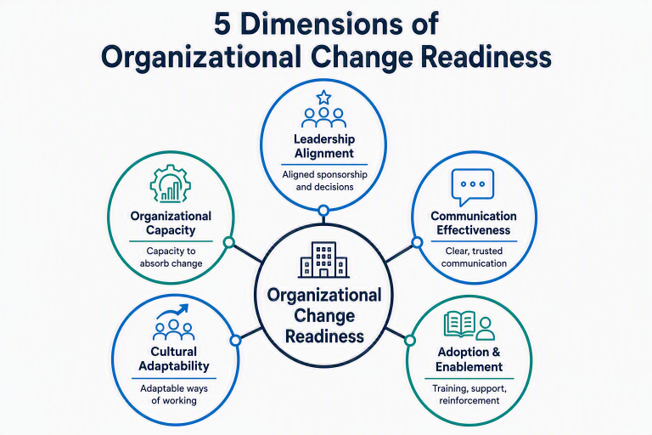
Figure 1. Five dimensions of organizational change readiness
The below table provides the foundation for turning change readiness into an actionable integration decision. Leaders can use it to identify the dimensions that create the greatest risk, then adjust the pace, sequencing, communication, training, and support required for the integration.
|
Five Dimensions of Organizational Change Readiness |
||
|
Dimension |
What it assesses |
Key question |
|
Leadership alignment |
Executive sponsorship, decision-making, priorities, and accountability |
Are leaders aligned and actively sponsoring the integration? |
|
Organizational capacity |
Change fatigue, competing initiatives, available resources, and ability to absorb disruption |
Can the organization support the pace and volume of planned change? |
|
Communication effectiveness |
Message clarity, channel credibility, manager preparedness, and feedback mechanisms |
Is there a clear, consistent, and trusted narrative? |
|
Cultural adaptability |
Differences in norms, behaviors, decision-making, and willingness to adopt new ways of working |
How prepared are the organizations to adapt to cultural and operating-model changes? |
|
Adoption and enablement |
Role-based training, user support, reinforcement, and measurement |
Are training, support, and reinforcement plans established? |
Table 1. Assessing the five dimensions of organizational change readiness
How to Apply the Readiness Assessment
Use the following three-step process to apply the assessment during integration planning:
- Rate each dimension in Table 1 as high, moderate, or low readiness.
- Identify the lowest-rated dimensions and the integration decisions they affect, including sequencing, communication, migration waves, resources, and risk mitigation.
- Reassess readiness before major milestones and adjust the plan as conditions change.
Organizations that include change readiness assessments in merger integration planning often gain greater predictability and stronger business outcomes.
Warning Signs of Low Change Readiness
Low ratings often appear through observable signals before they affect timelines or business outcomes. The following warning signs can help leaders validate assessment findings and identify where the integration plan needs additional support.
Diagnostic Checklist
- Leadership alignment: Leaders communicate conflicting priorities, success measures, or timelines.
- Organizational capacity: Team members are managing competing initiatives or showing signs of change fatigue.
- Communication effectiveness: Information is inconsistent, unclear, or driven by informal channels and speculation.
- Cultural adaptability: Differences in norms, decision-making, or ways of working remain unaddressed.
- Adoption and enablement: Training, support, communication, and user-readiness plans remain incomplete.
These factors may not appear in traditional due diligence reports, but they often affect integration timelines, adoption, and business outcomes.
How Readiness Shapes M&A Integration Strategy
A common M&A integration mistake is assuming each acquisition requires the same execution model. Organizations often build aggressive timelines based primarily on technical complexity. Integration success, however, depends on both technical readiness and organizational readiness.
A mature integration strategy considers both.
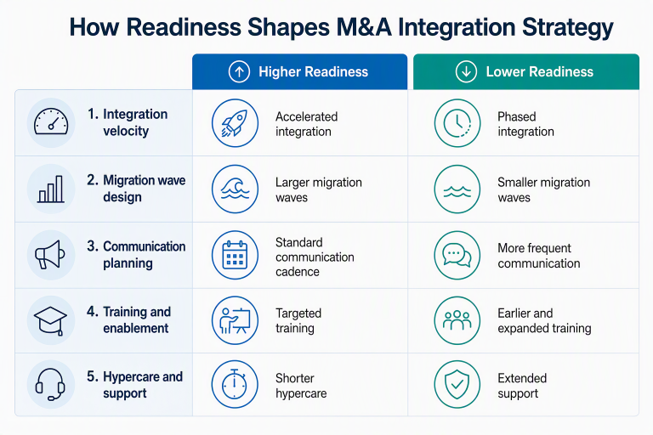
Figure 2. Organizational readiness determines the pace, sequencing, communication, enablement, and support required for M&A integration.
Integration Velocity
The fastest possible integration timeline is not necessarily the right timeline. Organizations with high readiness may absorb accelerated change programs. Those with lower readiness may achieve better results through phased approaches that reduce disruption and support adoption.
Migration Wave Design
Migration planning needs to reflect more than technical dependencies. Departments experiencing operational changes, leadership transitions, or workforce concerns may benefit from smaller migration groups and expanded support.
Communication Planning
Higher change impacts require more communication, not less. Executive messaging, manager enablement, stakeholder engagement, and team member feedback become critical during acquisition integration.
Training and Enablement
Role-based training and adoption planning belong early in the process, rather than shortly before go-live activities.
Hypercare and Support
Organizations with lower readiness often require extended support periods, stronger change champion involvement, and proactive issue management after major milestones.
When readiness informs strategy, organizations align execution plans with their capacity for change rather than relying solely on project schedules.
What This Looks Like in Practice
Consider two acquisitions with similar technology environments.
The first organization has aligned leadership, clear communications, and dedicated adoption resources. The second is already managing several transformation initiatives and experiencing change fatigue.
Both may require similar migration activities. The second often benefits from a phased integration approach, expanded communications, smaller migration waves, and longer support periods.
|
The technology plan may be similar. The integration strategy should not be. |
The Cost of Ignoring Organizational Readiness
Warning signs reveal whether the organization is prepared for integration. When those signals are ignored, the consequences extend beyond the project plan.
Common business consequences include:
These outcomes are not visible in a migration project plan. They directly influence how quickly an organization realizes the value that justified the acquisition.
Final Thoughts
Organizations invest considerable effort in determining whether a target company is ready to be acquired. They need the same discipline to evaluate whether their own organization is ready to absorb the resulting change.
|
Technology enables integration. People ultimately determine its success. |
At Interlink Cloud Advisors, we have found that repeatable acquisition success comes from treating organizational readiness as an integration workstream, not an afterthought. Effective programs align technology strategy, PMO governance, organizational change management, adoption and enablement, and executive leadership, then match integration velocity to the organization’s capacity for change.
Frequently Asked Questions
What is organizational change readiness in M&A?
Organizational change readiness is an organization’s ability to absorb, adopt, and sustain changes resulting from an acquisition. It includes leadership alignment, organizational capacity, communication effectiveness, cultural adaptability, and adoption and enablement.
Why do M&A integrations struggle?
M&A integrations often struggle when leaders, team members, and business processes are not prepared for the pace and scale of change. Technical execution may succeed while the business remains fragmented.
How do organizations assess change readiness before an acquisition?
A structured assessment evaluates leadership alignment, organizational capacity, communication effectiveness, cultural adaptability, and adoption and enablement. The findings help shape sequencing, communication, support, and risk mitigation decisions.
What are common signs of low organizational readiness?
Common signs include leadership misalignment, limited organizational capacity, ineffective communication, unresolved cultural differences, and incomplete adoption and enablement planning.
How does organizational readiness affect post-merger integration?
Readiness influences integration velocity, migration wave design, communication requirements, training, hypercare, and the pace of synergy realization.